
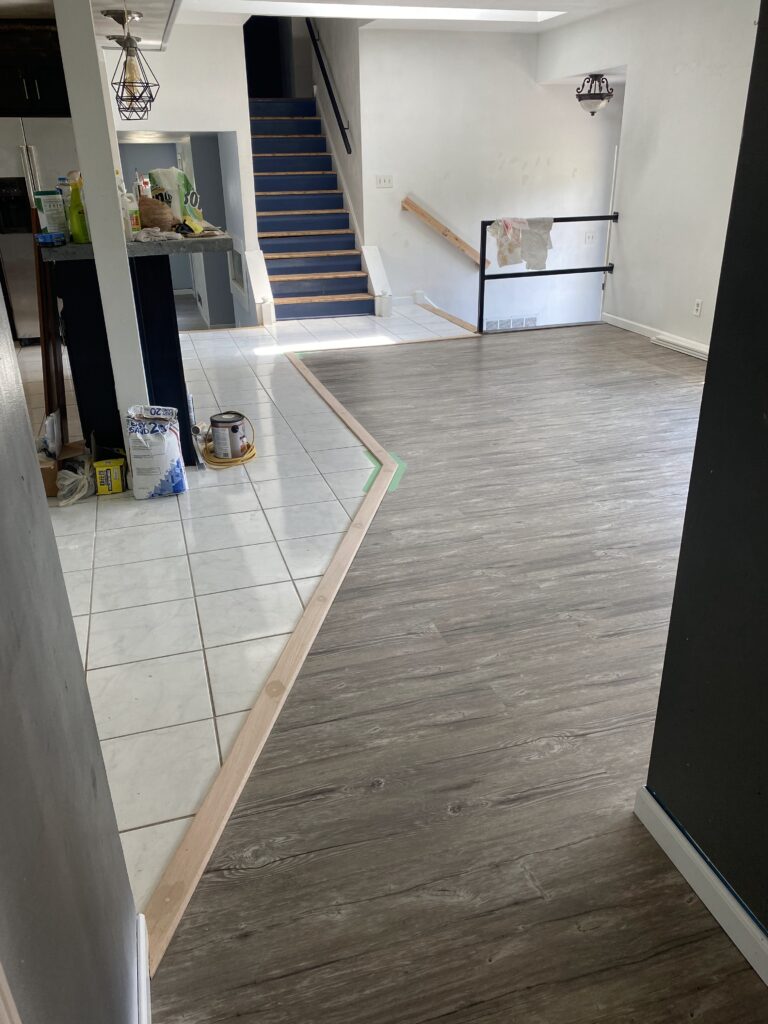
Hardwood flooring is one of the most popular choices for homeowners who want to combine durability, beauty, and long-term value in their interiors. Known for its natural appearance and timeless appeal, hardwood flooring can transform the look of any room while providing a strong and long-lasting surface.
Whether you are renovating your home or building a new space, understanding the process of hardwood flooring—from installation to maintenance—is essential. Proper planning, correct installation, and regular care ensure that your floors remain beautiful and functional for many years.
In this blog, we will explore everything you need to know about hardwood flooring, including its benefits, installation process, types of wood, and maintenance tips.
Why Hardwood Flooring Is a Popular Choice
Hardwood flooring has remained a favorite option for homeowners for decades. Its natural texture, warmth, and elegance make it suitable for a wide range of interior styles, from traditional homes to modern spaces.
Some of the main reasons people choose hardwood flooring include:
- Timeless and elegant appearance
- Long-lasting durability
- Easy cleaning and maintenance
- Increased property value
- Compatibility with different interior designs
Unlike some flooring materials that go out of style, hardwood floors maintain their beauty for many years and can adapt to changing décor trends.
Types of Hardwood Flooring
Before installing hardwood flooring, it is important to understand the different types available. Choosing the right option depends on your lifestyle, budget, and design preferences.
Solid Hardwood Flooring
Solid hardwood flooring is made from a single piece of natural wood. It is known for its strength and longevity. One of its biggest advantages is that it can be sanded and refinished multiple times, allowing homeowners to restore the floor’s appearance over time.
Solid hardwood is commonly used in living rooms, bedrooms, and dining areas where moisture levels are controlled.
Engineered Hardwood Flooring
Engineered hardwood flooring is made from multiple layers of wood pressed together. The top layer is real hardwood, while the lower layers provide additional stability.
This type of flooring is more resistant to moisture and temperature changes, making it suitable for areas such as basements or kitchens.
Popular Hardwood Flooring Materials
Different types of wood offer different colors, textures, and durability levels. Some popular hardwood flooring materials include:
Oak
Oak is one of the most commonly used hardwood flooring materials. It is strong, durable, and available in various shades and grain patterns.
Maple
Maple flooring has a smooth grain and light color, making it ideal for modern and contemporary interiors.
Walnut
Walnut offers a rich and dark appearance that adds luxury and warmth to interior spaces.
Hickory
Hickory is known for its strength and unique grain patterns, making it a great option for high-traffic areas.
Choosing the right wood type helps ensure your flooring matches both your aesthetic preferences and practical needs.
The Hardwood Flooring Installation Process
Installing hardwood flooring requires careful preparation and professional expertise. Proper installation ensures durability and prevents issues such as gaps, warping, or uneven surfaces.
1. Preparing the Subfloor
The first step in hardwood flooring installation is preparing the subfloor. The surface must be clean, dry, and level before the flooring boards are installed.
An uneven or damaged subfloor can lead to long-term problems with the flooring.
2. Acclimating the Wood
Hardwood flooring materials need time to adjust to the temperature and humidity of the room. This process, called acclimation, helps prevent expansion or contraction after installation.
The wood is typically left in the room for several days before installation begins.
3. Installing the Flooring Boards
Once the materials are ready, the flooring boards are installed using nails, adhesives, or click-lock systems depending on the type of flooring.
Careful placement ensures a tight fit between boards and creates a smooth and even surface.
4. Sanding and Finishing
For solid hardwood floors, sanding may be required to smooth the surface. After sanding, a protective finish or sealant is applied to enhance the wood’s appearance and protect it from damage.
Advantages of Hardwood Flooring
Hardwood flooring offers several advantages that make it one of the best choices for residential interiors.
Durability
With proper care, hardwood floors can last for decades. Their strong surface makes them resistant to daily wear and tear.
Timeless Beauty
The natural grain and color variations of wood create a unique and elegant appearance that enhances any room.
Easy Cleaning
Hardwood floors are easy to clean and maintain. Dust, dirt, and debris can be quickly removed with regular sweeping or vacuuming.
Increased Property Value
Homes with hardwood flooring are often more attractive to buyers, which can increase resale value.
Maintenance Tips for Hardwood Flooring
Proper maintenance is essential for preserving the beauty and durability of hardwood floors. Regular care helps prevent scratches, stains, and other damage.
Regular Cleaning
Sweeping or vacuuming the floor regularly helps remove dirt and debris that could scratch the surface.
Use Protective Pads
Furniture legs can scratch hardwood floors. Using protective pads under furniture helps prevent damage.
Avoid Excess Water
Excess water can damage hardwood floors and cause warping. Always use a slightly damp mop rather than soaking the floor with water.
Use Proper Cleaning Products
Using cleaning products specifically designed for hardwood floors helps maintain the finish and prevent discoloration.
Refinish When Necessary
Over time, hardwood floors may show signs of wear. Refinishing the surface can restore the floor’s original appearance and extend its lifespan.
Common Mistakes to Avoid
When installing or maintaining hardwood flooring, homeowners should avoid certain mistakes that can damage the floor.
Some common mistakes include:
- Using excessive water during cleaning
- Dragging heavy furniture across the floor
- Ignoring minor scratches or damage
- Skipping regular maintenance
Avoiding these mistakes helps keep your hardwood floors looking beautiful for many years.
Where Hardwood Flooring Works Best
Hardwood flooring is suitable for many areas of the home, especially spaces where comfort and aesthetics are important.
Some ideal locations include:
- Living rooms
- Bedrooms
- Dining areas
- Hallways
- Home offices
However, areas with high moisture levels, such as bathrooms, may not be ideal for traditional hardwood flooring.
Final Thoughts
Hardwood flooring is a timeless and valuable addition to any home. Its natural beauty, durability, and versatility make it one of the best flooring options for modern interiors. From choosing the right wood type to understanding the installation process and maintenance requirements, proper knowledge helps ensure the best results.
With the right care and professional installation, hardwood flooring can remain beautiful and functional for decades. If you are planning to upgrade your floors with high-quality hardwood flooring, the experienced team at Ace Interiors Construction & Maintenance can help deliver professional installation and reliable flooring solutions tailored to your home.